Goal Setter
Dr. Clint Pearman is a frequent guest and trainer at Brain Injury Alliance of Arizona events. Ellen Fortini spoke with him recently to find out what drives him.

Dr. Clint Pearman is a frequent guest and trainer at Brain Injury Alliance of Arizona events. Ellen Fortini spoke with him recently to find out what drives him.

According to Buddhist philosophy, the mind and body are one, with inner subjective awareness being most crucial. Once you have control of the mind, the body follows.

When Abby’s husband TC was assaulted and robbed near the couple’s home in Washington, DC, in August 2012, he suffered injuries that left him fighting for his life, including a brain injury resulting in aphasia.
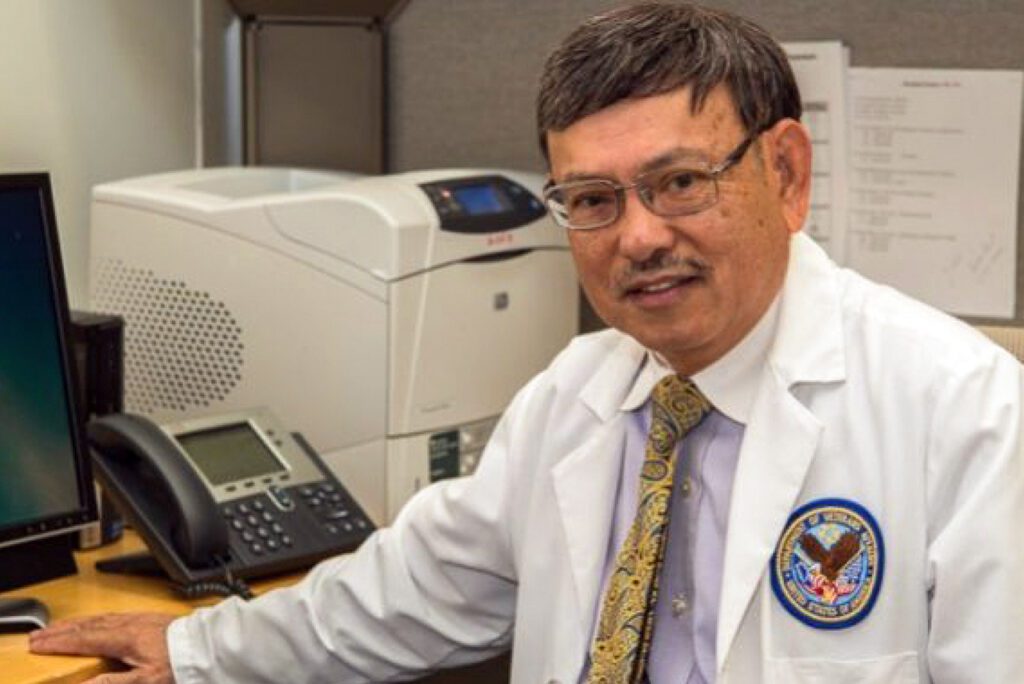
“They call me Dr. Frankenstein,” says Dr. Patricio Reyes, who quickly and eagerly admits that he has developed a Brain Bank. He’s a bit vague on the description, even when pressed, but it’s clear that it’s something essential in the neurology field.

BIAAZ aims to raise awareness, prevent future brain injuries from substance misuse, and help those who struggle with addiction after brain injury to find recovery.

When you go a million miles per hour your entire life, a stroke can be devastating. Not only do you have to slow down, but you have to learn a new normal.

Well, at least there’s one good story from 2020 and it started on October 1 — The U.S. Department of Veterans Affairs (VA) has expanded the Program of Comprehensive Assistance for Family Caregivers (PCAFC), based on the PCAFC Improvements and Amendments Under the VA MISSION Act of 2018.
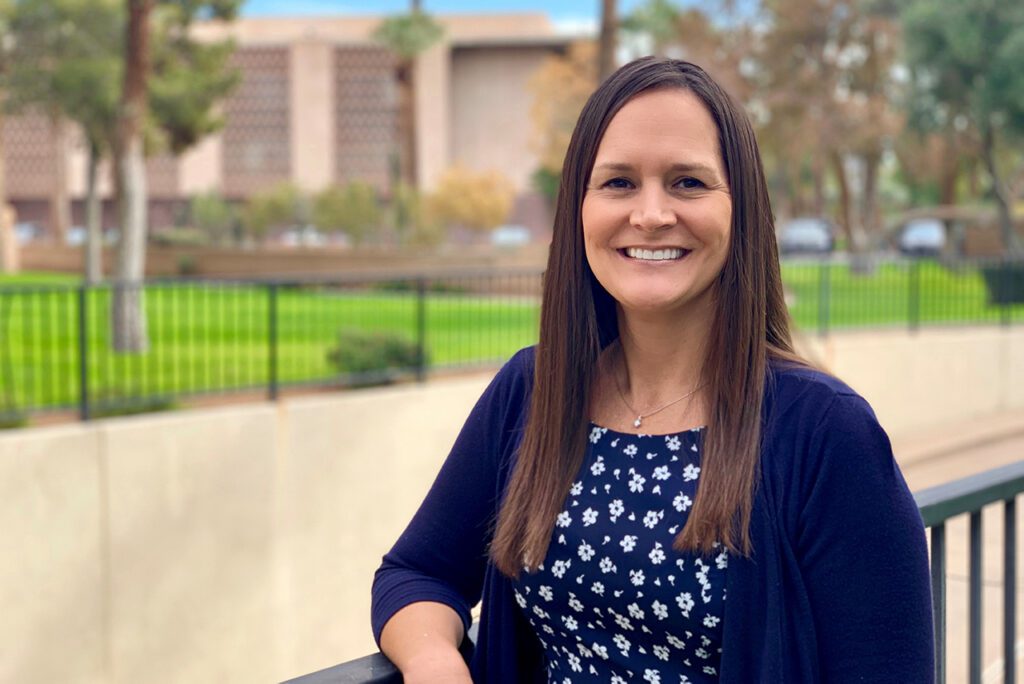
Stroke isn’t something you plan on. Just ask Jennifer Kirchen. World Stroke Day is October 29 and Jennifer wants others to learn from her experience.

Most of us at one point or another have probably heard a story or two about someone’s near-death experience (NDE). Typically, such tales involve a sensation of floating above one’s unconscious body. Then, there’s the ascent to a bright light, while bathed in warmth and elation.

With all this well-deserved attention about the dangers of opioids, there is another side to the story that should not be discounted. Opioids can also be beneficial for many patients as long as they are carefully prescribed and monitored.