The Road to El Tour
As traumatic brain injury survivors, we are faced with challenges we must overcome. Some small, some large, and a vast number of challenges the average individual most likely does not understand.

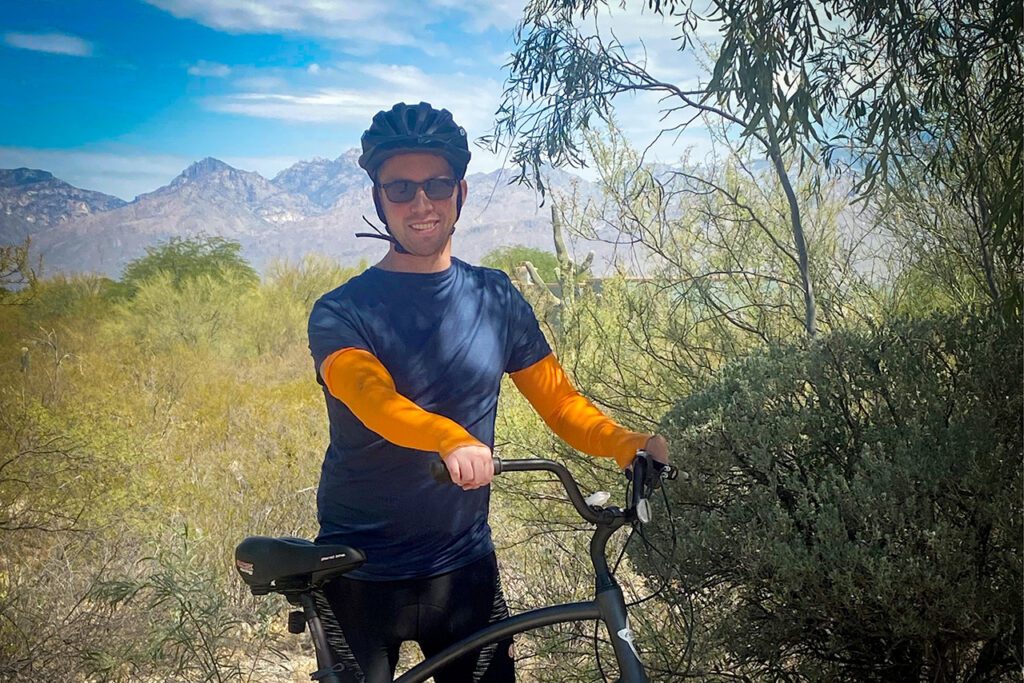
As traumatic brain injury survivors, we are faced with challenges we must overcome. Some small, some large, and a vast number of challenges the average individual most likely does not understand.
There are often common safety recommendations to minimize risks of slips, trips, and falls. In some cases, these “common sense” approaches can be quite helpful for the Neuro-typical individuals, but for those who have sustained a brain injury, there is a multitude of complicating factors that cause imbalance and simple fall prevention solutions are inadequate.

In late September 1848, news of a construction foreman’s improbable recovery after a tamping iron passed directly through his skull began making the rounds in New England.

Life with an invisible disability can be…extra. While everyone knows not to park in a disability parking spot, not everyone may realize a person who has survived brain injury may also need some gentle accommodation. That’s where the Hidden Disabilities Sunflower comes in.

“Life is what happens when you’re making other plans” is a sentiment Katherine Wolf, a speech pathologist, stroke survivor, and mother of two children, deeply understands.

The Brain Injury Association of Arizona sees the other half of the drowning statistics table: the children (and sometimes adults) who survive a drowning incident, technically known as nonfatal drowning victims.

Karen Heslop is a regular Camp Brain volunteer. She had her first summer there in 2018 and, except for a Covid hiatus, has returned every year since.

Eight years ago, Regan Irion’s mother, Shari, became a traumatic brain injury, or TBI, survivor when she was hit by a truck.
Vaping can be especially harmful to teens because the teenage brain is in the middle of creating new grey matter, synapses, and rewiring itself.

For Kelly Miller, who has a master’s degree in social work and whose background includes working in the child welfare and probation system in supervisory roles, including juvenile justice, becoming a brain injury professional is a bit of a surprise.