PART 2 — Breaking Down the 3 M’s of Health Insurance Options
In this installment of our summer series, we will get you up to speed on Medicare — what it is and where to find help.
In this installment of our summer series, we will get you up to speed on Medicare — what it is and where to find help.

This article is part of our new Summer Series lineup that will take you through the ins and outs of some common government benefits programs that many people utilize post-brain injury, including SSDI, SSI, Medicaid, Medicare, and more!

In several short months, the playing field has changed, thanks to telemedicine. In fact, health care analysts estimate the pandemic and ensuing stay-at-home orders accelerated the widespread implementation of telemedicine by at least a decade.
Living with brain injury can be hard. Getting Social Security Disability Insurance (SSDI) or Supplemental Security Income (SSI) can also be difficult. Having a brain injury and qualifying for either can be a rocky road…if you do it alone.
There are often common safety recommendations to minimize risks of slips, trips, and falls. In some cases, these “common sense” approaches can be quite helpful for the Neuro-typical individuals, but for those who have sustained a brain injury, there is a multitude of complicating factors that cause imbalance and simple fall prevention solutions are inadequate.

Recently two brain injury survivors, Cazoshay Ward and Laura Johnson, had the unique experience of sharing their stories with medical students at the Arizona College of Osteopathic Medicine, a Midwestern University satellite campus in Tempe.
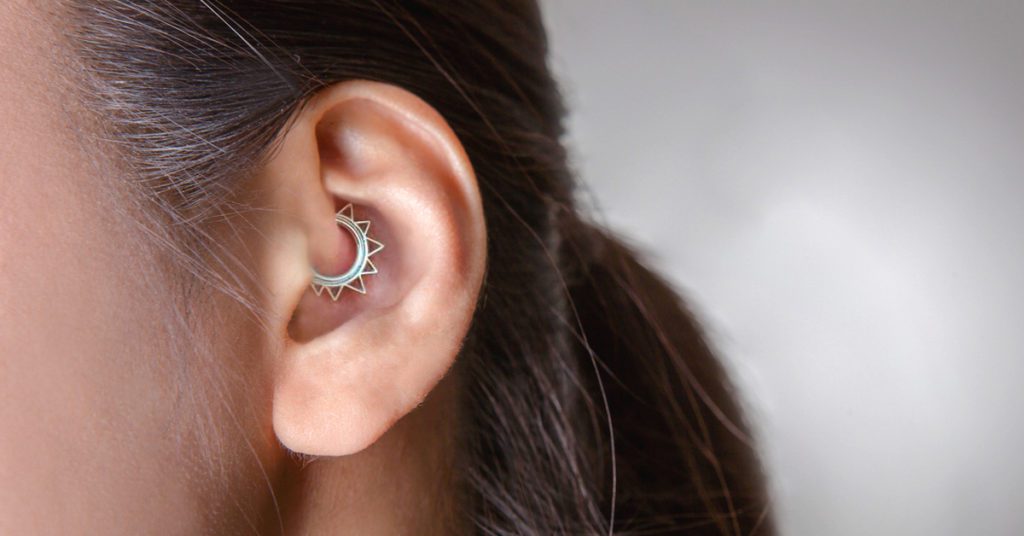
This article is for information purposes only; it should not be taken as a medical suggestion or advice. The opinions presented in this piece are those of the author alone. The Brain Injury Alliance of Arizona and its employees do not endorse the practice of daith piercings. It is recommended that you consult your doctor or specialist before making long-term and/or semi-permanent changes to your body.

Her name is Sunshine. Today she lives in the light, a testament to survival against all odds, but it wasn’t always that way.

You’re probably familiar with the scene— the star of the show walks down the street, minding his own business, when without any warning, BAM! He gets hit in the head and develops amnesia.
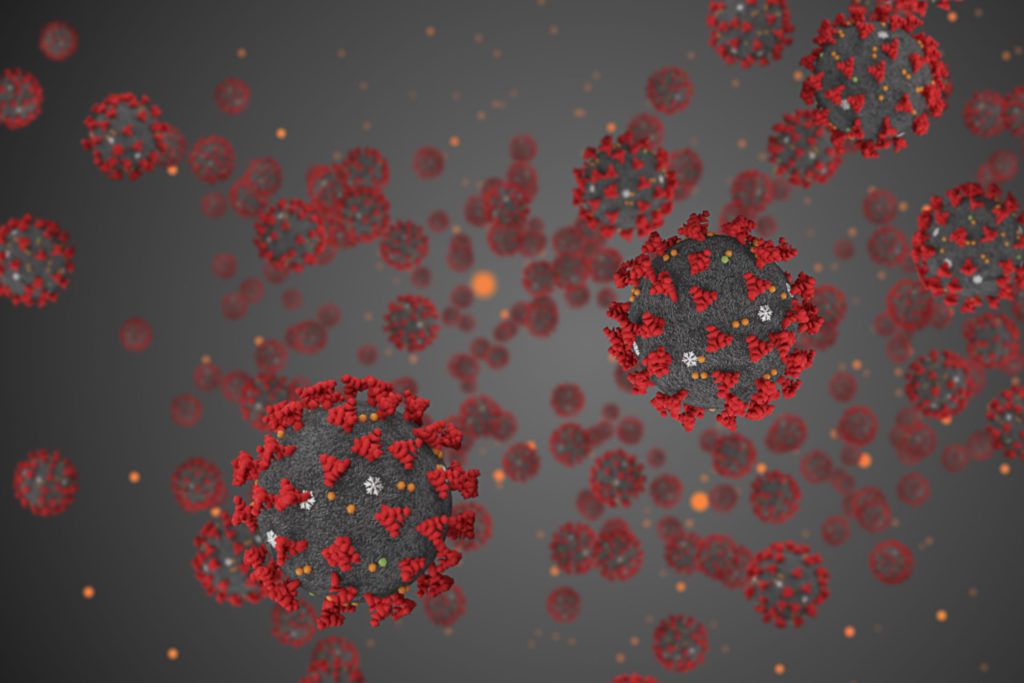
The COVID-19 pandemic and quarantine have created challenges for people across the world. This is, perhaps, especially true for traumatic brain injury (TBI) survivors and their caregivers who are already dealing with the physical, mental, and emotional consequences of brain injury