
The Return of “Huffing”: Why BIAAZ Is Worried — and What We Can Do Together
You can be forgiven if you’re in or approaching middle age and assumed “huffing” was something done when you were a teenager. After all, spray paint got locked behind cages and AquaNet seems to have been traded for less ozone-destroying alternatives, so why give it a thought? At most, “huffing” is probably something you associate with health teachers warning about in grainy videos from the 1990s.
But unfortunately, “huffing” is back, though now it’s called using “whippits.”
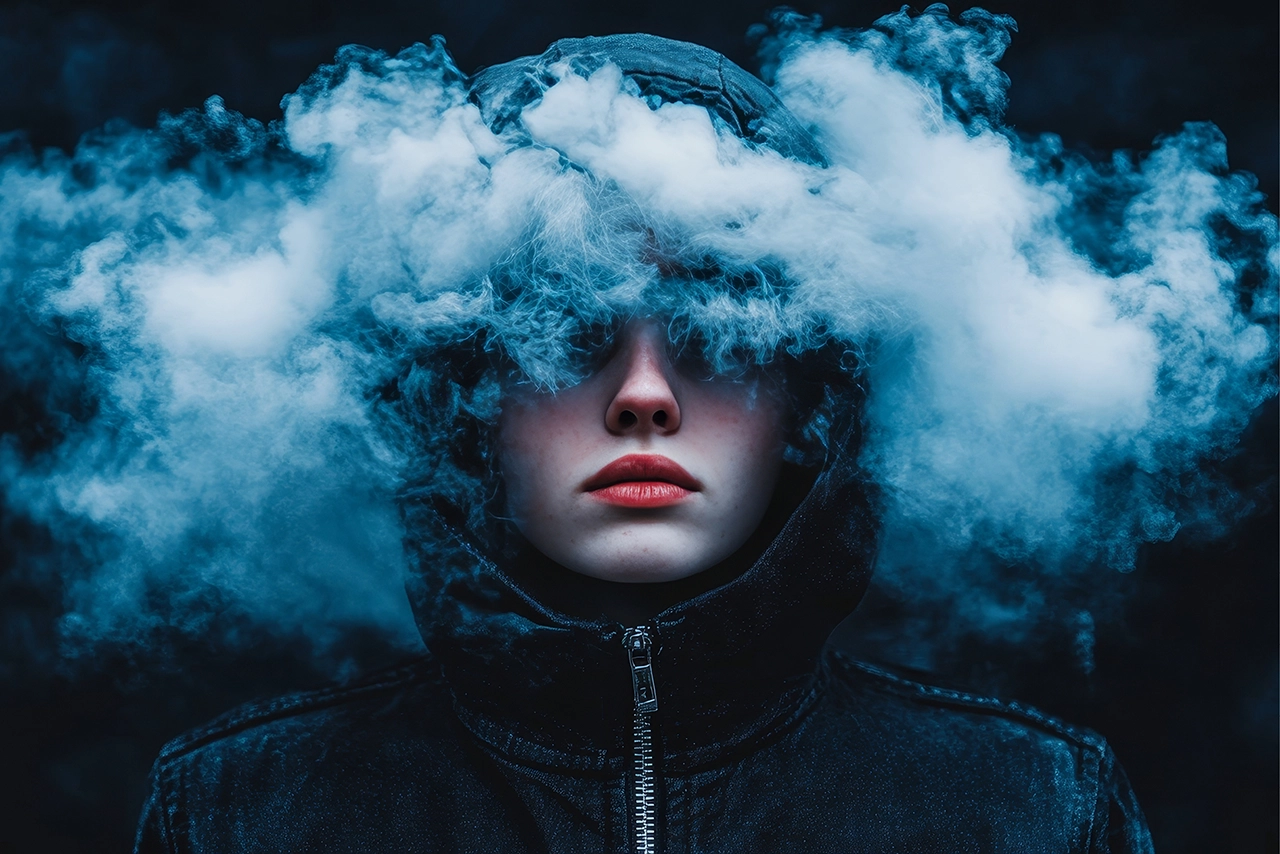
Here at the Brain Injury Association of Arizona (BIAAZ), we’ve felt a growing sense of urgency. Because we see what inhalant abuse — especially the use of nitrous oxide, does to teens.
The Return of “Huffing”: Why BIAAZ Is Worried — and What We Can Do Together
You can be forgiven if you’re in or approaching middle age and assumed “huffing” was something done when you were a teenager. After all, spray paint got locked behind cages and AquaNet seems to have been traded for less ozone-destroying alternatives, so why give it a thought? At most, “huffing” is probably something you associate with health teachers warning about in grainy videos from the 1990s.
But unfortunately, “huffing” is back, though now it’s called using “whippits.”
Here at the Brain Injury Association of Arizona (BIAAZ), we’ve felt a growing sense of urgency. Because we see what inhalant abuse — especially the use of nitrous oxide, does to teens.
Here at the Brain Injury Association of Arizona (BIAAZ), we’ve felt a growing sense of urgency. Because we see what inhalant abuse — especially the use of nitrous oxide, does to teens.
How Something So Ordinary Became So Dangerous
Part of what makes this trend so alarming is how easy it is to access. Whipped-cream chargers (where the term “whippets” comes from), household aerosols, and other everyday products have become the methods of choice for teens to get high.
Teens often don’t see these items as “drugs.” They’re legal, cheap, and sometimes even glamorized online. But “legal” does not mean safe.
According to American Addiction Centers, nitrous oxide is inhaled recreationally more often by adolescents and young adults than by older groups. The effects can include dizziness, slurred speech, confusion, and — the part we’re most concerned about — serious neurological damage.
Adding in TikToc and other social media “challenges” has only poured fuel on the raging trend fire that’s literally and physically destroying young minds.
Social Media and the Illusion of Safety
A recent Arizona Family investigation highlighted how nitrous oxide misuse has surged among younger users. Products are marketed with flashy names, sold online with few barriers, and sometimes framed as a “party trend” rather than a medical risk.
Meanwhile, platforms like TikTok and Instagram normalize huffing through viral clips, challenges, or jokes that downplay the danger. This gives the illusions that doing this has no consequences or impact.
But of course, that’s simply untrue.
What Actually Happens to the Brain
When someone inhales nitrous oxide or other inhalants, the substance displaces oxygen in the lungs. That means less oxygen reaches the brain. Even brief oxygen deprivation can cause serious harm.
Doctors and researchers have linked inhalant misuse to:
- Long-term brain and nervous system damage
Repeated use can impair memory, movement, and cognitive functioning. (Put more starkly, a teen can become a “zombie” or “vegetable.”) - Hypoxia (oxygen deprivation)
The brain is extremely sensitive to oxygen loss — and damage happens very fast, usually within a handful of - Sudden sniffing death syndrome
In some cases, inhalants can trigger sudden cardiac arrest without warning.
As BIAAZ Executive Director Carrie Collins said, “Even a single episode of huffing can cause lasting brain injury.”
Ask us how we know.
From Fear to Action
As a parent, teacher or caregiver of a young person, this information can feel very overwhelming. But the good news is there is action you can take. You are not completely powerless in the face of tech saturation, peer pressure, and the impossibility of constant supervision.
Some steps you can take include:
- Open conversations at home — Not lectures. Not horror stories. Not threats of punishment. Just an honest talk about risks, why a teen might be tempted to engage in this behavior, and why they shouldn’t. Teens are young adults. Arm them with information and (try) to trust them to have good judgement.
- Education in schools and communities. We all made fun of Crime McGruff and D.A.R.E. and M.A.D.D. But here we all are now, parents and teachers of a certain age, decades later, still also remembering those movements and their message. Just because you get an eye roll and a biting comment doesn’t mean the message didn’t land.
- Adult awareness. Recognizing warning signs like chemical smells, sudden dizziness, mood changes, or slurred speech can go a long way towards preventing full-on dependency or addiction.
We know teens are curious. We also know they deserve accurate information, not viral myths.
You Don’t Have to Navigate This Alone
If you’re a parent, educator, or caregiver worried about inhalant misuse — or if your family has already been affected — BIAAZ is here for you.
You can learn more and find resources at the Brain Injury Association of Arizona website: https://biaaz.org/
If you’d rather talk to a real person, our Helpline is available at 888-500-9165.
We care about Arizona’s kids, their brains, and their futures.
The Brain Injury Association of Arizona is the state’s largest nonprofit organization dedicated to improving the lives of brain injury survivors, their families, and caregivers. Your generous support is crucial to continue providing them with programs and services.
ABOUT BRAIN INJURY ASSOCIATION OF ARIZONA
The Brain Injury Association of Arizona (BIAAZ) is the only statewide nonprofit organization dedicated to improving the lives of adults and children with all types of brain injuries through prevention, advocacy, awareness and education. BIAAZ also houses the Arizona Brain Health Resource Center, a collection of educational information and neuro-specific resources for brain injury survivors, caregivers, family members and professionals.
What began in 1983 as a grassroots effort has grown into a strong statewide presence, providing valuable life-long resources and community support for individuals with all types of brain trauma at no charge.