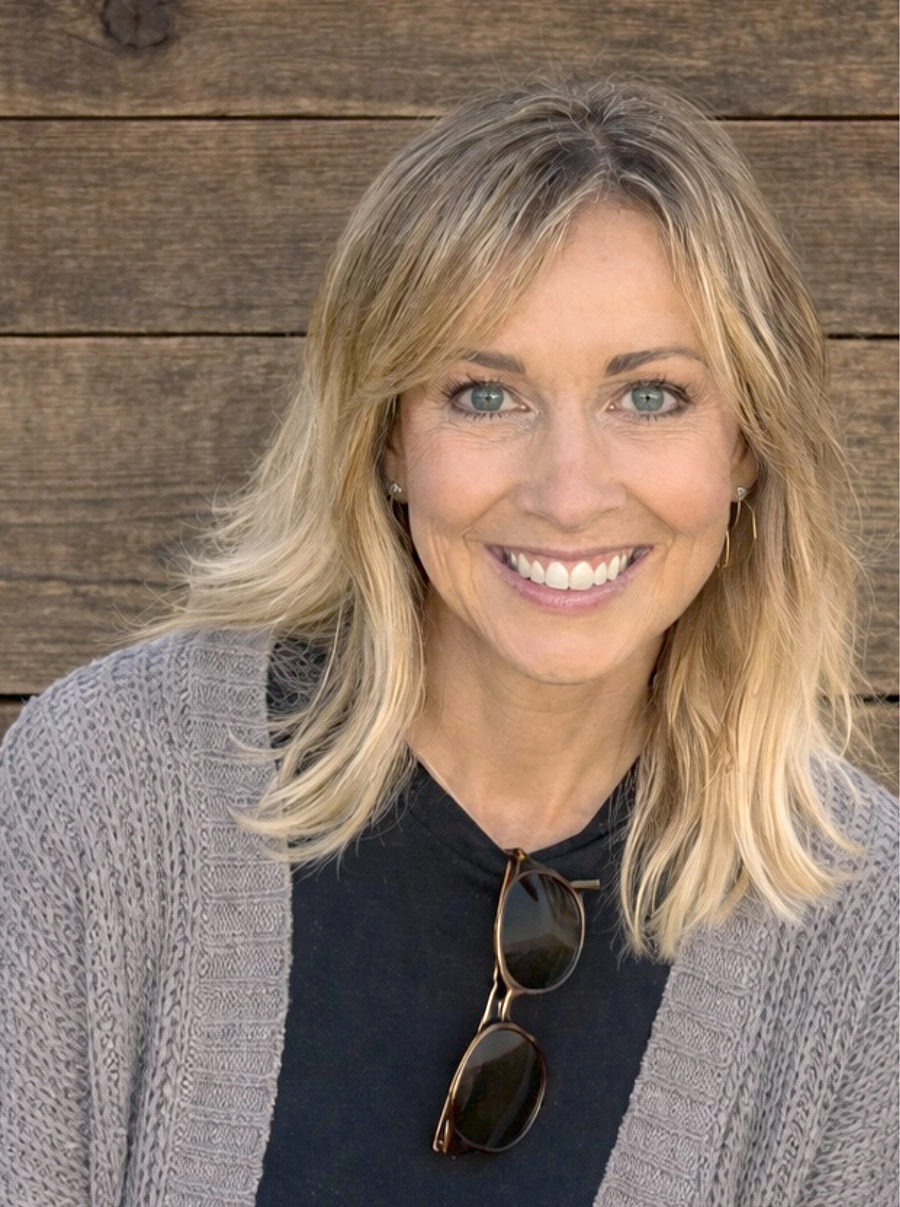
For the past 25 years Christi Porter, a speech language pathologist, has helped people to get back on their feet and back to work.
Specializing in vocational rehabilitation, Christi works with adult clients who are recovering from various types of brain injuries, including traumatic brain injuries (TBIs) and strokes, at Cerebrations.
For Christi, the most satisfying part of her career is when she sees a client transition back into gainful employment. Particularly after a debilitating illness or injury, that can mean so much than just a paycheck to clients. It’s a restoration of dignity and purpose and Christi loves being a part of that for her clients.
For the past 25 years Christi Porter, a speech language pathologist, has helped people to get back on their feet and back to work.
Specializing in vocational rehabilitation, Christi works with adult clients who are recovering from various types of brain injuries, including traumatic brain injuries (TBIs) and strokes, at Cerebrations.
For Christi, the most satisfying part of her career is when she sees a client transition back into gainful employment. Particularly after a debilitating illness or injury, that can mean so much than just a paycheck to clients. It’s a restoration of dignity and purpose and Christi loves being a part of that for her clients.
Since speech pathology is about more than simply how a person uses or understands words – it can also include issues with understanding social cues or working with issues with attention and memory. Christi’s work with clients can include anything from accompanying them to the grocery store to more specific treatments, such as for aphasia.
It’s one of the many parts of her work that Christi loves.
“I love being out at different vocational sites with them,” Christi said. “I love to help them thrive and be in their world.”
Additionally, being with clients in real world situations they will inevitably have to navigate on their own makes it easier for Christi for “to determine what kind of compensations they need.”
Though most SLPs tend to work with children or the elderly, Christi’s work tends to be more with adults, which she says suits her.
Christi’s SLP career began 25 years ago after she left an auditing career to earn her master’s degree at ASU. Initially, she worked as a speech language pathologist at Rehab Without Walls. She joined Cerebrations in 2023 and works at both places now. She worked with adults who had ALS learning to use augmentative and alternative communication devices, before focusing on vocational rehabilitation full time.
And she loves it. She’s particularly interested in executive functioning and the combination of vocational rehabilitation and speech pathology give her ample opportunity to use that knowledge.
Still, she said she “learns a lot from my clients every day.”
For Christi, the most satisfying part of her career is when she sees a client transition back into gainful employment. Particularly after a debilitating illness or injury, that can mean so much than just a paycheck to clients. It’s a restoration of dignity and purpose and Christi loves being a part of that for her clients.
When she’s not working, Christi enjoys spending time with her husband, two adult children, both of whom are in college, two pups and a tortoise.
She also enjoys hiking, a pastime she picked up about 10 years ago. Having hiked the Grand Canyon a year ago, she’s currently preparing a trip around the rim.
The Brain Injury Association of Arizona is the state’s largest nonprofit organization dedicated to improving the lives of brain injury survivors, their families, and caregivers. Your generous support is crucial to continue providing them with programs and services.
ABOUT BRAIN INJURY ASSOCIATION OF ARIZONA
The Brain Injury Association of Arizona (BIAAZ) is the only statewide nonprofit organization dedicated to improving the lives of adults and children with all types of brain injuries through prevention, advocacy, awareness and education. BIAAZ also houses the Arizona Brain Health Resource Center, a collection of educational information and neuro-specific resources for brain injury survivors, caregivers, family members and professionals.
What began in 1983 as a grassroots effort has grown into a strong statewide presence, providing valuable life-long resources and community support for individuals with all types of brain trauma at no charge.